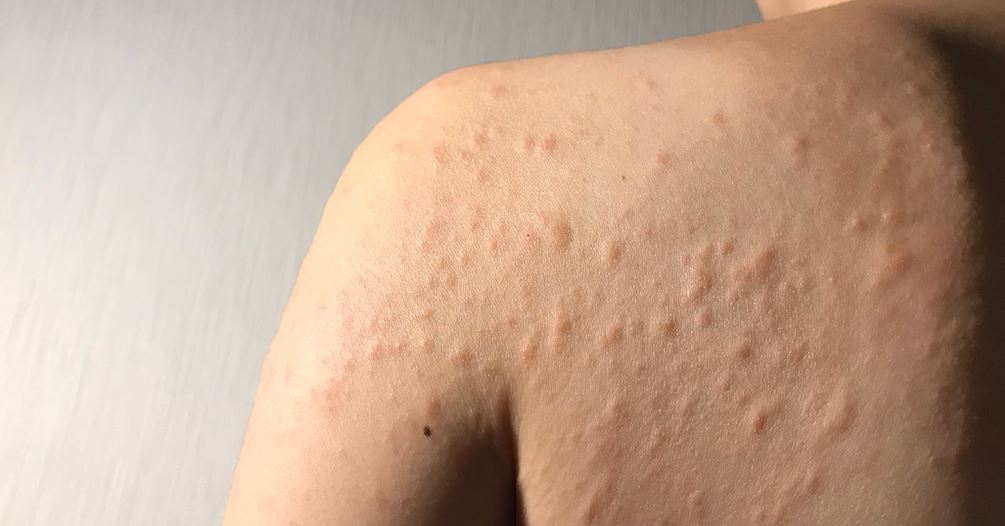
Chronic hives, or medically referred to as urticaria, can be annoying and perplexing. The skin condition is marked by red, raised welts that itch and can suddenly appear in varying sizes and time frames. For most patients, the most important concern is: Why am I continuously getting hives? At Navi Mumbai’s Tvaksh Advanced Skin & Hair Clinic, board-certified dermatologists Dr. Suraj Shetty and Dr. Joshika Shetty are skilled at diagnosing and treating urticaria with patient-centric care and cutting-edge skin care treatments.
If you experience recurring bouts of inexplicable hives, knowing the most common urticaria causes is the first step toward relief and prevention.
What Is Urticaria?
Urticaria, or more popularly referred to as hives, is an itchy welt reaction on the skin. They can be found anywhere on the body and usually last for several hours to several days. Urticaria can either be acute (less than six weeks) or chronic (longer than that). Chronic urticaria can be particularly problematic since it usually comes without a apparent reason.
Common Triggers of Urticaria
- Allergic Reactions
One of the most frequent reasons for urticaria is an allergic reaction. Causes may be:
- Specific foods (shellfish, nuts, eggs)
- Drugs (antibiotics, NSAIDs)
- Insect stings or bites
- Pollen and animal hair
In most instances, finding and avoiding the allergen can help lower outbreaks substantially.
- Environmental Factors
Temperature, pressure, or sun exposure changes can cause hives in some people. This is referred to as physical urticaria and consists of:
- Cold-induced urticaria
- Heat or sweat-induced urticaria
- Sunlight (solar urticaria)
- Pressure or vibratory urticaria
- Infections
Viral and bacterial infections—particularly the upper respiratory tract infections—can cause hives that are temporary in nature. Chronic urticaria may, in some instances, be associated with underlying infections that require treatment.
- Stress and Emotional Factors
More prevalent than many are aware of is stress-induced urticaria. Emotional stress or anxiety can activate the release of histamines and other chemicals within the body, resulting in the formation of hives.
- Autoimmune Conditions
In a few chronic cases, the body’s immune system might incorrectly target normal skin cells, leading to repeated hives. Autoimmune urticaria might need specialized therapy, typically combining antihistamines and immune-modulating therapy.
- Hormonal Imbalance
Hormonal fluctuations—like those seen during menstruation, pregnancy, or menopause—might sometimes provoke or aggravate urticaria.
When to See a Dermatologist for Urticaria
If your hives persist for more than a few days, recur frequently, or interfere with your quality of life, it’s important to consult a dermatologist. At Tvaksh Advanced Skin & Hair Clinic, Dr. Suraj Shetty and Dr. Joshika Shetty provide customized treatment plans based on the root cause of your urticaria. This may include allergy testing, lifestyle modifications, antihistamines, and advanced therapies like biologics in chronic cases.
Their Navi Mumbai clinic is well-stocked with the latest diagnostic equipment and evidence-based treatment practices to alleviate your symptoms and avoid future flare-ups.
Book an Appointment Now
Don’t let persistent hives get in the way of your life. Knowing what causes urticaria is the key to permanent relief. For professional diagnosis and tailored treatment, book a consultation with Dr. Suraj Shetty or Dr. Joshika Shetty at Tvaksh Advanced Skin & Hair Clinic in Navi Mumbai.
Book an appointment today and take charge of your skin health today.