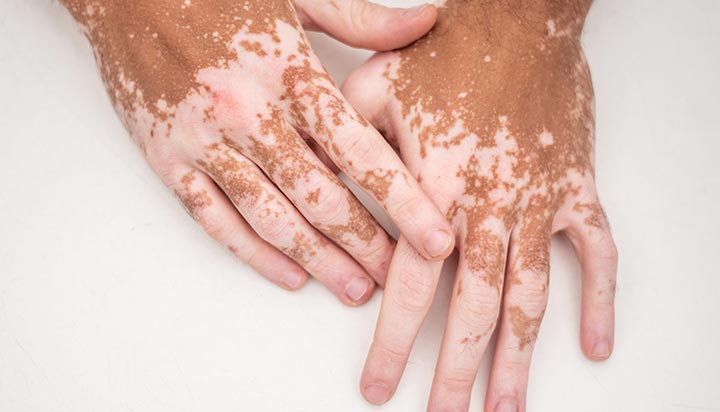
Vitiligo is a disease of the skin that afflicts millions of individuals around the globe, yet it is as commonly misunderstood as it is commonly found. Defined by the appearance of white blotches on the skin, vitiligo can cause psychological and emotional discomfort, although it is not contagious or terminal.
In this article, we’ll explore what vitiligo is, what causes it, its symptoms, and the treatment options available. With expert insights from Dr. Joshika Shetty at Tvaksh Skin and Hair Clinic, this guide is designed to provide clarity for individuals seeking answers about this condition.
What Is Vitiligo?
Vitiligo is a chronic disease of the skin that happens when cells that produce melanin (the color of the skin) are lost or do not work anymore. Because of this, spots on the skin lose their color and turn white. It can happen to any area of the body, even the face, hands, arms, feet, and hair or inside the mouth.
What Causes Vitiligo?
The specific cause of vitiligo is not yet known, but it is thought to be an autoimmune disease, where the immune system attacks the melanocytes (pigment cells) by mistake. A number of factors can play a part in causing it:
- Genetics – Vitiligo occasionally occurs in families.
- Autoimmune diseases – Individuals with conditions such as thyroid disease or type 1 diabetes are more susceptible.
- Environmental factors – Such as sunburn, stress, or exposure to chemicals.
- Neurogenic causes – Nerve endings on the skin can secrete toxins for melanocytes.
Explains Dr. Joshika Shetty, a prominent dermatologist at Tvaksh Skin and Hair Clinic, “Though vitiligo isn’t painful, its psychological impact can be significant. Early diagnosis and counseling treatment can significantly improve the way the patients cope with the condition.”
Symptoms of Vitiligo
The main symptom of vitiligo is white or depigmented patches on the skin. Patches can begin small and expand over time. Features often include:
- White patches on sun-exposed sites such as the arms, face, hands, and feet
- Early graying of the beard, eyelashes, eyebrows, or scalp
- Loss of coloring in the mouth or nose
- Symmetrical or localized patches, depending on the condition
- Vitiligo does not typically itch or hurt, but it may progress erratically.
Types of Vitiligo
There are two primary forms of vitiligo:
Non-segmental Vitiligo: The most prevalent type, sometimes both sides of the body are involved symmetrically.
Segmental Vitiligo: Occurs on one side of the body and may start earlier in life.
How Is Vitiligo Diagnosed?
Vitiligo is typically diagnosed by:
- Physical exam
- Medical and family history
- Use of a Wood’s lamp (a particular UV light that makes depigmented patches more visible)
- Sometimes, a blood test or skin biopsy to exclude other autoimmune diseases
If you see white patches on your skin that persist, it’s best to visit an experienced dermatologist.
Treatment Options for Vitiligo
Although vitiligo has no cure, there are some treatments that can restore color to the skin or halt the advancement of the condition:
-
Topical Treatments
Corticosteroid creams
Calcineurin inhibitors (for sensitive areas such as the face)
-
Phototherapy
Narrowband UVB therapy is the most effective treatment.
-
Excimer Laser
Treats small patches of vitiligo with focused UVB light.
-
Surgical Options
Skin grafting or melanocyte transplant for stable lesions.
-
Cosmetic Solutions
Medical camouflage, self-tanners, or makeup for appearance enhancement.
Dr. Joshika Shetty continues, “We customize vitiligo treatment plans at Tvaksh Skin and Hair Clinic based on the condition’s type, degree, and how long it has been progressing. The objective is not only to cure the skin but to help the individual behind the skin.”
Living with Vitiligo
While vitiligo may impact confidence and self-esteem, most individuals with the disease lead full, fulfilling lives. Support groups, counseling, and regular care of the skin are all essential to mental well-being
Book Your Appointment Now
Vitiligo is more than a cosmetic concern—it is a medical condition that warrants attention, empathy, and professional care. If you or someone you love is suffering from inexplicable loss of skin pigmentation, visit a skin expert such as Dr. Joshika Shetty at Tvaksh Skin and Hair Clinic for expert diagnosis and treatment.
You get it—the first step is learning about vitiligo—your next step is making your appointment. Take control of your skin health today.