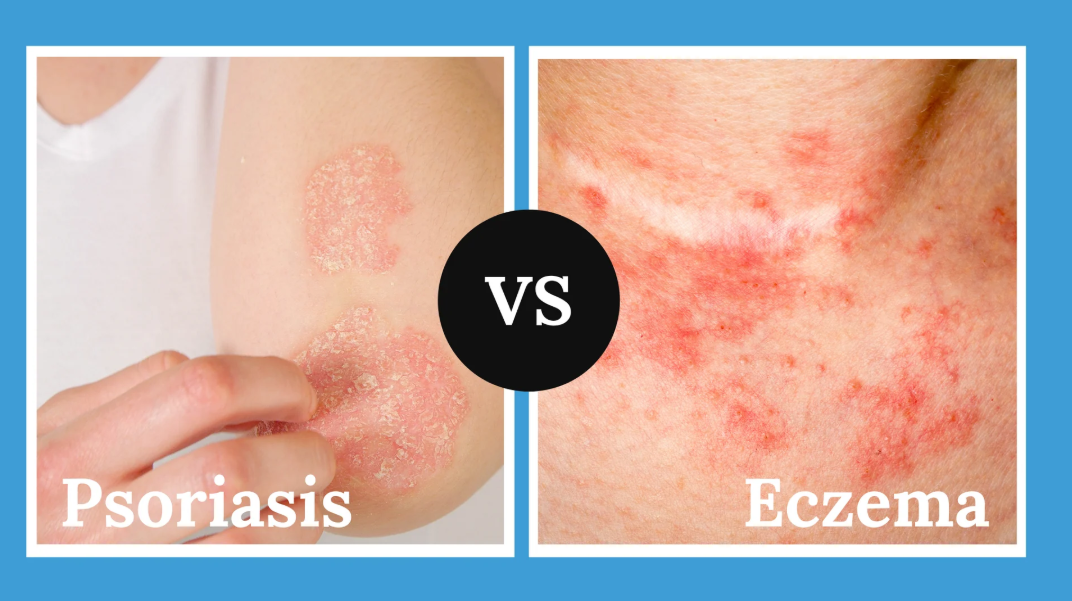
Skin diseases can be overwhelming, particularly when symptoms are similar. Two of the most often confused skin diseases are eczema and psoriasis. Both make the skin red, itchy, and inflamed, yet they are very different in cause, treatment, and management over time.
Here, we simplify the major differences between psoriasis and eczema so that you can learn more about your skin and obtain the proper treatment. Based on professional advice from Dr. Joshika Shetty of Tvaksh Skin and Hair Clinic, this article is written to enable patients to identify symptoms and recognize when to consult a professional.
Understanding Psoriasis
Psoriasis is an ongoing autoimmune disorder that accelerates the life cycle of skin cells. Rather than shedding normally, skin cells accumulate on the surface, producing thick, scaly patches.
Typical Symptoms of Psoriasis:
- Thick, elevated patches of skin (plaques)
- Silvery-white scales
- Itching, burning, or tenderness
- Frequently appear on elbows, knees, scalp, and lower back
- May be triggered by stress, infections, or some medications
- Psoriasis is also inherited and may be linked to other autoimmune diseases such as psoriatic arthritis.
Learning about Eczema (Atopic Dermatitis)
Eczema, also known as atopic dermatitis, is a long-term condition of the skin that appears more frequently in children but may also occur in adults. It is usually accompanied by allergies, asthma, or hay fever.
Symptoms of Eczema are usually:
- Red, inflamed skin
- Severe itching, particularly at night
- Dry, cracked skin
- Oozing or crusting in serious instances
- Typically occurs on face, neck, hands, and behind the knees
- Eczema is more water-oriented and erupts with allergens, irritants, or environmental exposure.
Key Differences Between Psoriasis and Eczema
| Feature | Psoriasis | Eczema |
| Cause | Autoimmune | Inflammatory/allergic |
| Appearance | Thick, silvery scales | Red, dry, flaky patches |
| Location | Elbows, scalp, knees | Face, neck, inside elbows/knees |
| Itching | Mild to moderate | Intense |
| Age of Onset | Teens to adulthood | Usually childhood |
As per Dr. Joshika Shetty, a seasoned dermatologist of Tvaksh Skin and Hair Clinic, precise diagnosis is the key:
“We frequently see patients treat themselves for the wrong ailment. Although eczema and psoriasis can appear superficially similar, their root causes and treatment are quite distinct. Proper diagnosis allows us to prescribe optimal treatment for long-term comfort.”
How Are They Diagnosed?
Diagnosis typically includes:
- Visual inspection by a dermatologist
- Medical history and symptom discussion
- In certain instances, a skin biopsy to establish diagnosis
It’s important not to self-diagnose or self-medicate, as some treatments may actually worsen your condition if used incorrectly.
Treatment Options
Psoriasis Treatments May Include:
- Topical corticosteroids or vitamin D analogues
- Light therapy (phototherapy)
- Biologic medications for moderate to severe cases
Eczema Treatments Often Include:
- Moisturizers and emollients
- Topical corticosteroids or calcineurin inhibitors
- Antihistamines to manage itching
- Avoiding known triggers
Dr. Joshika Shetty emphasizes a personalized treatment approach:
“Every patient’s skin is different. At Tvaksh Skin and Hair Clinic, we collaborate with patients to identify their particular triggers and needs for their skin before suggesting a treatment plan.”
When to See a Dermatologist
If your skin condition:
- Isn’t responding to over-the-counter treatments
- Is affecting your quality of life
- Is spreading or becoming worse
…it’s time to schedule an appointment with a qualified dermatologist. Early diagnosis can avoid unnecessary discomfort and permanent skin damage.
Book Your Appointment Now!
Though psoriasis and eczema have some similar symptoms, they are different diseases with unique causes and remedies. Understanding the difference is the key to proper skin care and relief. If you’re in doubt regarding your symptoms, make an appointment with a dermatologist such as Dr. Joshika Shetty at Tvaksh Skin and Hair Clinic to get expert diagnosis and advice.
Your skin is worth advanced care—don’t wait to get the clarity and treatment you deserve.